Find the Best Heated Floor Type for Your Remodel
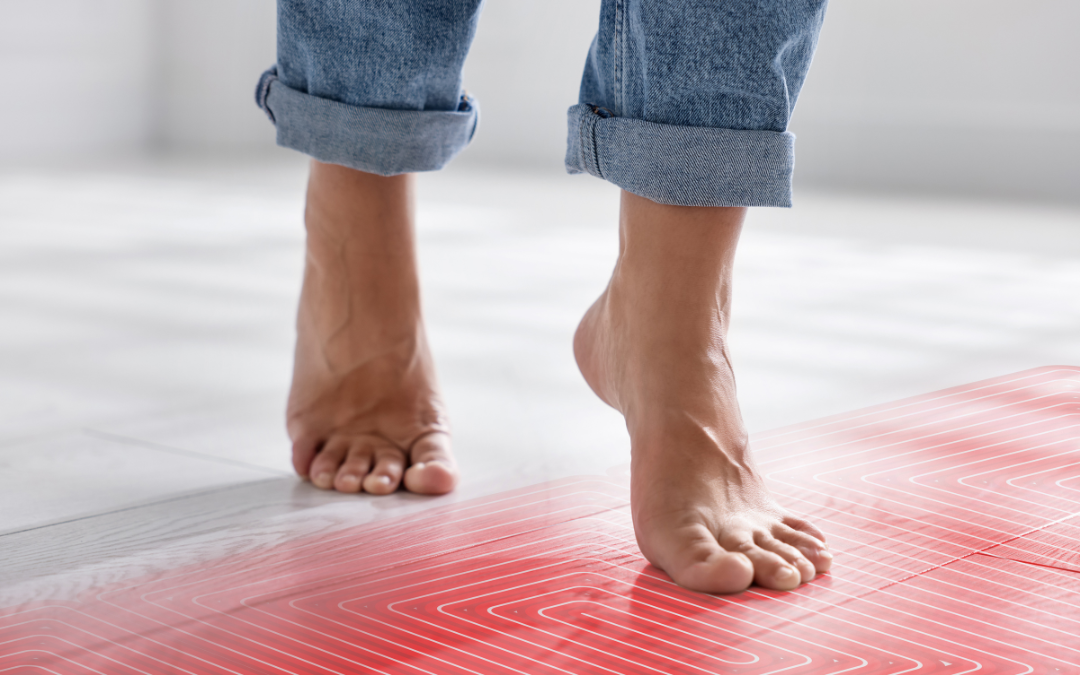
Why Choosing the Right Heated Floor Type Matters
A Heated Floor Type is not something most people think about until the remodel is already underway. You have picked the tile, planned the layout, and then someone asks, “Are you adding floor heating?” That is when the questions start, because there are several options and they are not all the same.
Here is something many homeowners miss. The best heated floor is not the most expensive one or the one your neighbor has. It is the one that fits your space, your budget, and the way you use your home. Are you planning a small bathroom update or a full home renovation? Did you know the answer changes which system makes the most sense? That is why choosing the right type early matters. It saves you from costly changes once the floor is already installed.
The Main Types of Heated Floors
Most heated floor systems fall into two main groups:
Electric radiant heating
Hydronic (hot water) radiant heating
Both warm the floor from below and spread heat evenly through the room. The difference is how they make that heat.
Electric Heated Floors
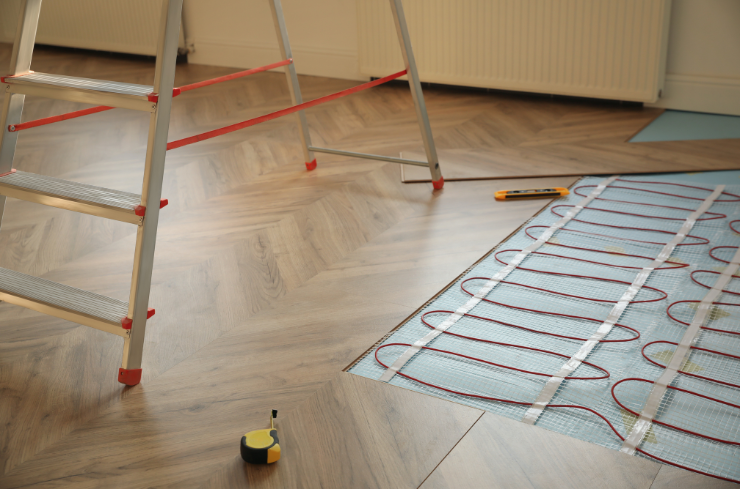
Electric systems use thin wires or mats under the floor that warm up when powered. They come in a few forms:
Heating mats: Pre-spaced mats that roll out over the subfloor. They are quick to install and a good fit for standard rooms.
Loose cables: Cables that can be arranged around tubs, toilets, and odd corners. These work well for tricky layouts.
Heating films: Very thin sheets that add almost no height to the floor. They suit remodels where every fraction of an inch counts.
Electric systems cost less to install and work well in bathrooms, kitchens, and smaller rooms.
Hydronic Heated Floors
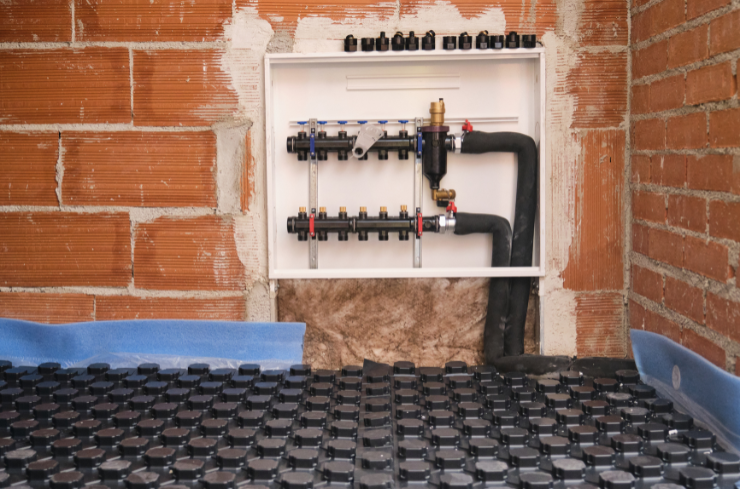
Hydronic systems circulate warm water through tubing under the floor, connected to a boiler or water heater. They need more planning and a bigger upfront investment, but they can be efficient for heating large areas. They make the most sense for:
Whole-home heating
Additions
Major remodels where the floor is already being opened up
Which Type Fits Which Space
Bathrooms: Electric mats or cables are usually the easiest choice. They warm up fast and fit small spaces well.
Kitchens: Electric works well for the main walking areas. Hydronic can make sense if the whole floor is being rebuilt.
Basements: Both work well. Hydronic is often a good match for large, cold concrete floors, and electric is a simple option for smaller finished rooms.
Whole-home remodels: Hydronic is often worth a look, especially if you are already replacing the subfloor.
Don’t Forget Your Flooring
Your floor covering matters as much as the heating system. Here is how common options compare:
- Tile and stone: The best partners because they hold and spread heat well.
- Engineered wood and luxury vinyl: Can work too, but check the maker’s temperature limits first.
- Thick carpet and solid hardwood: Hold in heat or react to it, so they need extra care.
Always confirm that your flooring is rated for use with radiant heat.
Questions to Ask Before You Decide
- How large is the area you want to heat?
- Is this a retrofit, or is the floor already being removed?
- How much height can you add to the floor?
- What is your budget for installation and running costs?
- Will the heat be a bonus layer of comfort or your main heat source?
Honest answers to these questions usually point to the right system quickly.
Get the Right Heated Floor for Your Remodel
Heated floors can turn a cold, hard surface into one of the most comfortable parts of your home. The tricky part is that the wrong type can lead to higher costs, longer installs, or a floor that never feels quite right. Planning early gives you time to match the system to your space and avoid surprises.
If you are thinking about adding heated floors to your next project, J&K Exteriors and Remodeling is here to help you weigh your options and choose what works best for your home. Reach out anytime and let a trusted team guide you before the work begins.
0 Comments